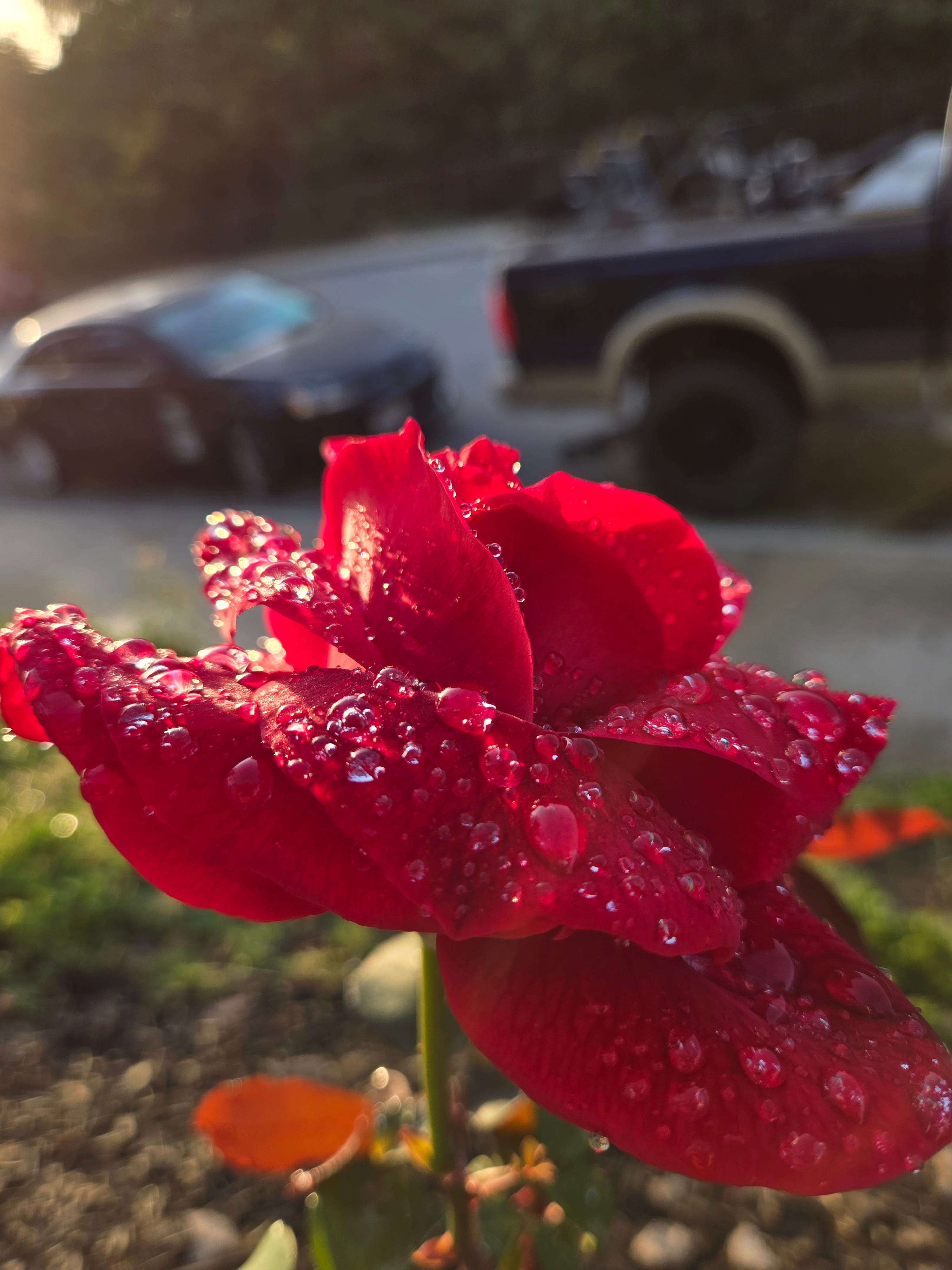
Spiritual Stability

If April 2025 marked a period awakening, April 2026 was a time of ripening—and shedding. In this week’s newsletter-thing, I’ll focus primarily on the ripening part, otherwise this post will turn into a novel.
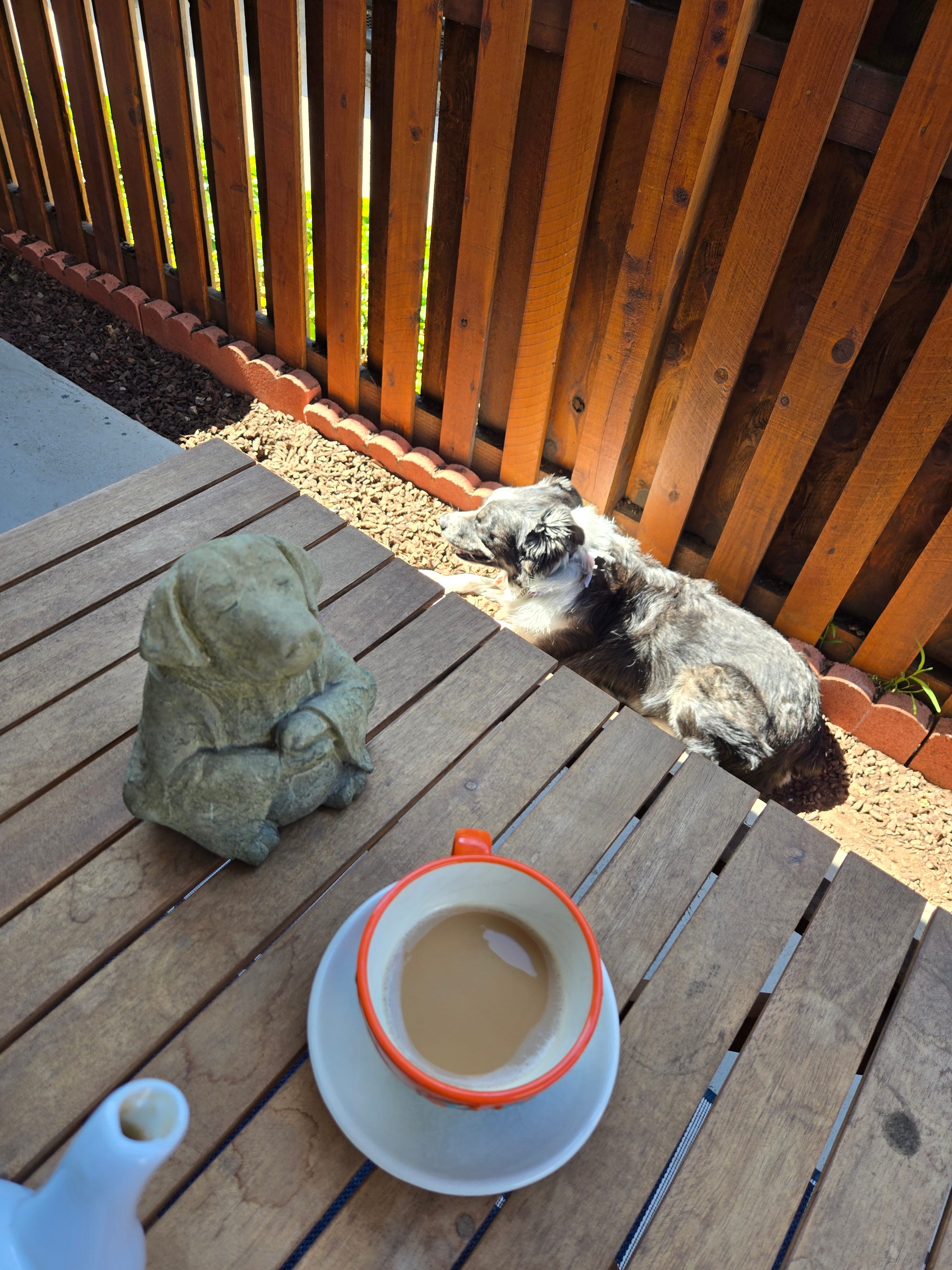
This past month, I got a weekends-only temp job, recorded more X-Files narrations (I posted links below), and had a nice visit with my parents. I also started meditating consistently again, with a new sense of ease and stability.
I haven’t spoken about my meditation practice on Substack (and I don’t even talk about it much in my personal life), but I feel comfortable sharing more about it, because it’s been so integral to maintaining not only my sanity, but a growing sense of all-rightness with myself and with the world.
I’ve also incorporated more ritual elements into my practice, most of which are quite simple: a few statues, some homemade candles, and sage, cedar, or incense (sometimes water is also involved; a simple bowl of it, maybe with a flower; or I plug in my little desk fountain).
Sitting quietly in this fragrant, dimly lit space transforms my suburban apartment bedroom into a Himalayan cave where I can sit in silence, descend into thoughtless awareness, and just open.
As you’ll soon discover, this is the first time my practice has been integrated into my life.
Surrender
During my junior year of college, during a pretty low period, I spontaneously started a meditation practice. I was becoming increasingly aware of how caught I was in painful emotional cycles, I didn’t know what to do anymore. At the time, I was listening to talks by Sufi teacher Llewellyn Vaughan-Lee and Eckhart Tolle.
One day, these influences and elements all came together in a strange but simple way when I decided to lay down on my bathroom floor in the dark and follow my breath.
Within seconds, I became aware of an icy current running through my entire body—but not my physical body. (I didn’t know the term “subtle body” back then, but I had an intuitive understanding of it.) This frigid current of energy was sharp, almost prickly. And I instantly knew, without a doubt, that I was its creator.
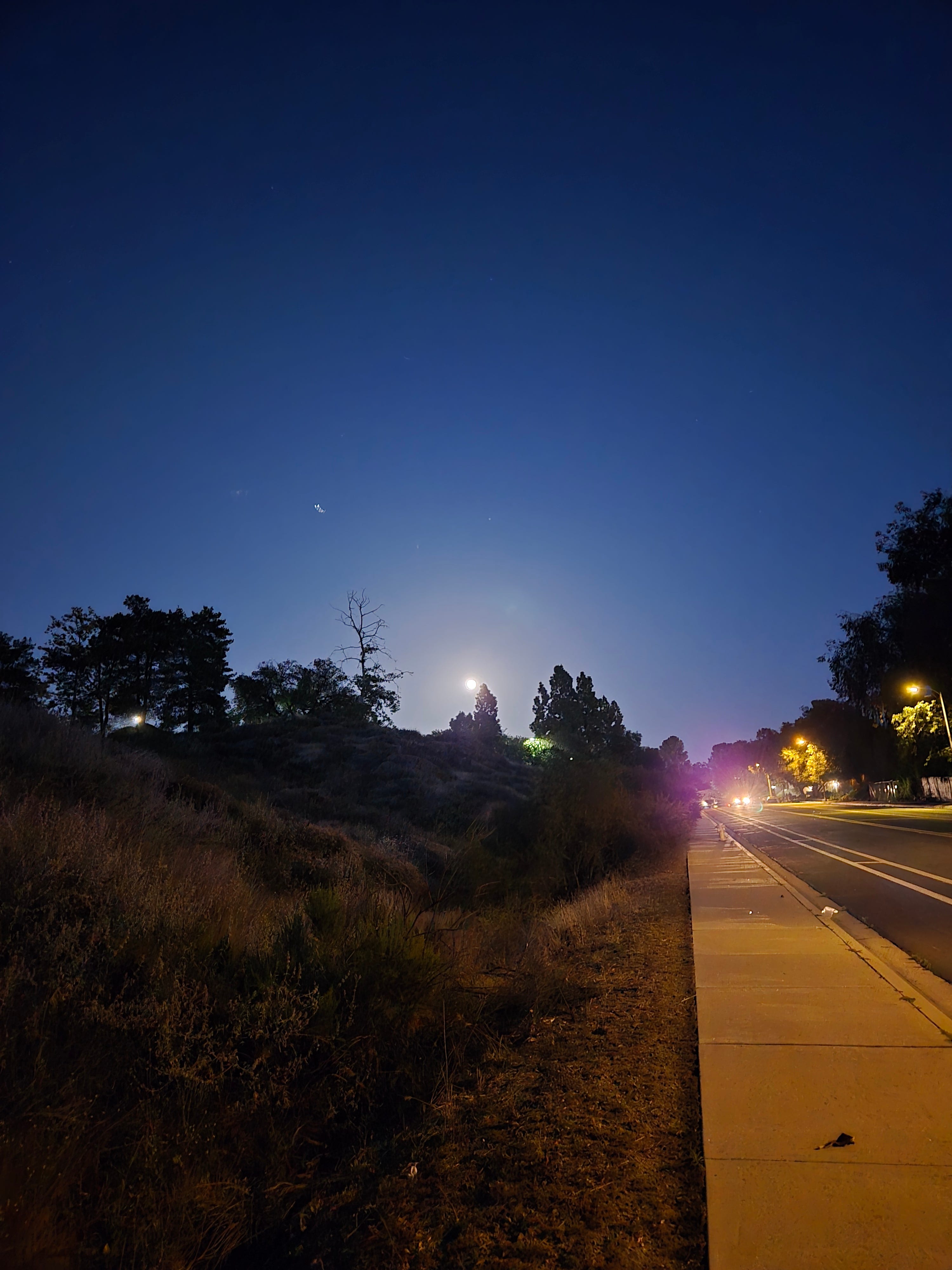
This gesture of spiritual and physical surrender gave rise to some important personal insights, and it gradually helped me understand that I needed a consistent spiritual practice. But even though it was initially relieving, and a little exciting, it was difficult to keep at it without seeing any changes in my personality or my life. And even if you had asked me, “How do you think meditating will change you or your life?”, I would not have had an answer. I was just following a silent-but-persistent impulse, and on some level, I still am.
By my senior year of college, I was spending inordinate amounts of time every day working with my dreams, reading, and meditating. On campus, I was a piano player, singer-songwriter, and performer, but at home, I was like a cave yogi (that is, a cave yogi who ate a lot of sourdough bread and cheese and pasta). I kept my spiritual (and psychological) interests largely private, but I knew that this split couldn’t be maintained. For a while, I seriously considered joining a monastery, but I knew I had far too much restlessness for that, so I chose to walk the path of perfectionism instead. And, for the most part, I kept my spiritual life in the dark.
Still Split
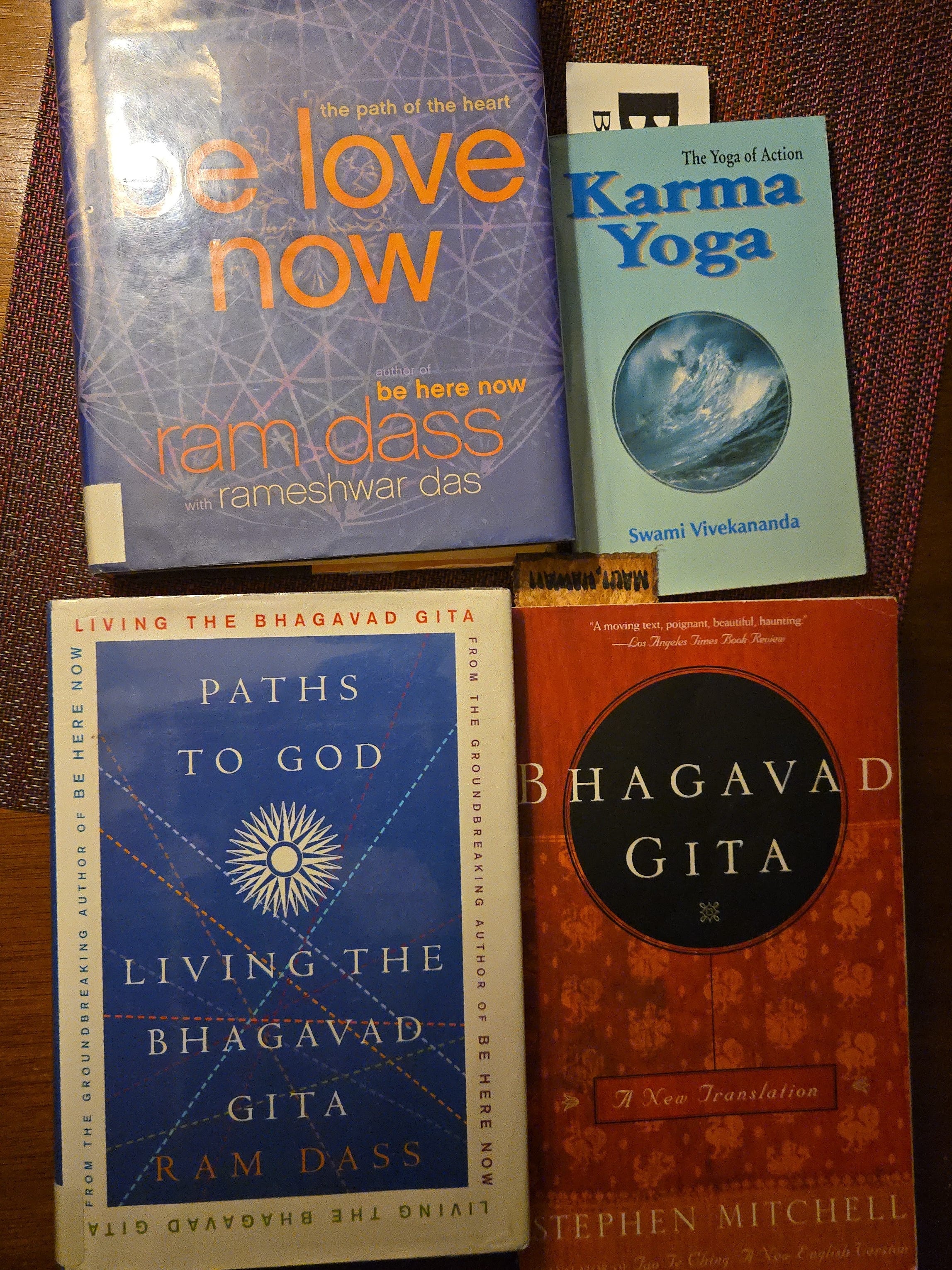
During my first bout of grad school in my early 20s, I maintained a twice-daily meditation practice: once in the morning and once before bed. I also spent countless evenings taking solitary walks and listening to Ram Dass lectures. I would stroll along the edge of Bollinger Canyon Road, admiring the flowerbeds and trees, gazing at the stars, wondering why I was the only person outside.
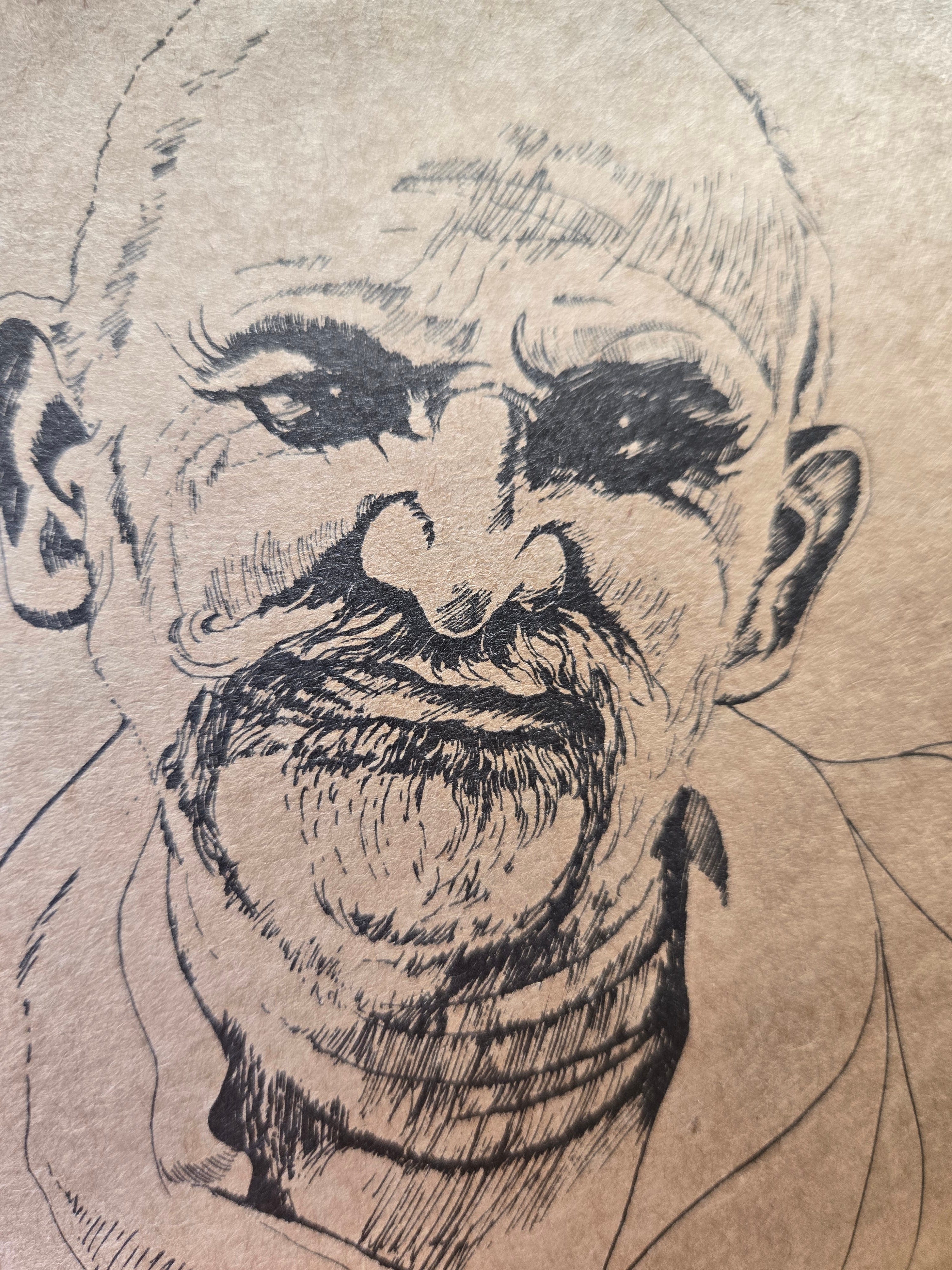
Although I had numerous spiritual or even mystical experiences during this period, they didn’t add up to much, because my outer life was, as far as I could tell, utterly unaffected. I was riddled with stress and confusion, and my life was still segmented into disparate parts. Nothing felt stable and nothing made sense.
In 2015, after finishing my master’s degree and leaving California, I continued sporadically meditating, which I had actually forgotten about until recently. For example, because my New Orleans bedroom was in the front of our shotgun house, you had to pass through it to go outside, which made privacy an impossibility.
When I wanted to meditate, I used the couch cushions from my pull-out bed to construct a little box around myself. Bordered on each side by thick grey cushions, I’d light a candle, face the wall, and breathe. But whenever my housemates or their friends had to pass through my room, I’d feel deeply self-conscious. Sometimes I would even sweat from the discomfort. I always felt judged and misunderstood, even though they didn’t say a word to me. Shows you where my concerns were at the time.
When I moved to Chicago the following year, I don’t remember meditating much at all, even though I had some powerful experiences while living there. There was even a Buddhist church of sorts, not far from my apartment, but I never had the courage to visit it. I’d always felt like a fraud, because, like a typical “spiritual” American, I’d dabbled in various philosophies and practices but never committed to one. These days, I’ve accepted my status as a kind of spiritual dilettante. But you could also say I’m just a curious person.
Uncovering Stability
I’m not sure when exactly, but at a some point in the past few years, I started devaluing the time I spent meditating in my 20s. I thought of it as mostly wasted energy, misguided activity, or time I could’ve spent writing, reading, or resting. But this month, as I started sitting multiple times per day again, it’s become clear that all of that energy actually accumulated somewhere.
About two weeks ago, in the middle of a meditation session, I had the distinct sensation that I was sitting on a dense column of black rock. It was opaque and featureless, like a solid shadow, but it was also immovable, perhaps even unbreakable. In an instant, I knew that this was the accumulated effort of all of those hours I spent meditating in my 20s. The image spoke to me, quite clearly: “You can sit like this now only because of your previous efforts.”
This confirmation was so relieving, because back then, I had made meditation a genuine priority. Even if I had to stay up late or wake up early, I always made time to sit in the candle-lit corner of my bedroom. And although I’ve always known that energy can accumulate in physical spaces, it was reassuring to know that the spiritual stability I cultivated in my 20s is something I still carry with me.
If you’re curious, my sitting practice usually oscillates between zazen (also known as shikantaza, derived from the Zen Buddhist tradition) and zhiné (“calm abiding” meditation, derived from Tibetan Buddhism). But I do lots of things. For instance, this month, I spent some time sitting on the floor with my harmonium, doing some kirtan singing. Like chanting or reciting a mantra, this is one way to drop into a heart-centered, meditative space by using the voice.
All spiritual methods are like different doorways or access points to various states of being or consciousness or planes of existence (whatever you wanna call them). They’re all great and they will all inevitably become a hindrance and explode. But that isn’t an error, it’s built in to them. It’s part of the (divine) game.
Lastly, as I mentioned above, I recorded more narrations for TV Obsessive (including an article I wrote back in 2023, “Dreaming of Dana Scully”). The audio articles all organized in a playlist here—I can’t believe I’ve already recorded 6 of them.
The break was nice, but I look forward to writing regularly again soon.
Hope you all had a lovely month,
-DS
P.S. I almost forgot, I also recorded this snippet of Soundgarden’s “Black Hole Sun.” A rather dark-but-beautiful childhood favorite of mine.